Health Tech Design | System Integration | Capstone Sponsor
Patient Story
Integrating an empathy-driven tool into Seattle Children’s electronic health record system, shaped by collaborative input across clinical, technical, and administrative roles, to bridge gaps in pediatric healthcare.

Overview
This project was completed for a University of Washington (UW) master’s capstone in collaboration with Seattle Children’s Hospital (SCH). As the patient-care experience can feel problem-focused, rather than human-focused, especially for children with severe neurological impairment, SCH’s Palliative Care Team* has been exploring the use of photos and stories (photo-narrative tools) to capture who a child is beyond their medical condition. Using input from clinical, technical, and administrative staff, and patient families, our team designed a prototype illustrating how the tool would integrate into Epic (the hospital’s electronic health record system), for use by clinicians and administrative staff. Our prototype is on track for implementation, with a research paper about its potential impact on the broader pediatric healthcare landscape forthcoming.
*According to Mayo Clinic, palliative care is specialized medical care that focuses on providing relief from pain and other symptoms of a serious illness.

My Duties
Wireframes
Prototyping
Mockups
Usability testing
Data analysis
Duration
6 months
Team
SCH sponsors: project manager & physician
UW team: project manager/UX researcher, 2 UX designers, & me (UX designer)
Tools
Figma & FigJam
Google Workspace
Microsoft Loop
Open AI Sora


Background Context
The photo-narrative tool was originally developed to allow families to show their children's lives holistically to make their care more human-focused
The photo-narrative tool initially existed as a PDF document, evolving from Dr. Jori Bogetz and team’s research at the SCH’s Treuman Katz Center for Pediatric Bioethics & Palliative Care. Through photos and short blurbs, families can capture important aspects of who their child is and what they want clinicians to know about them, centering their child’s personhood, rather than their medical condition.
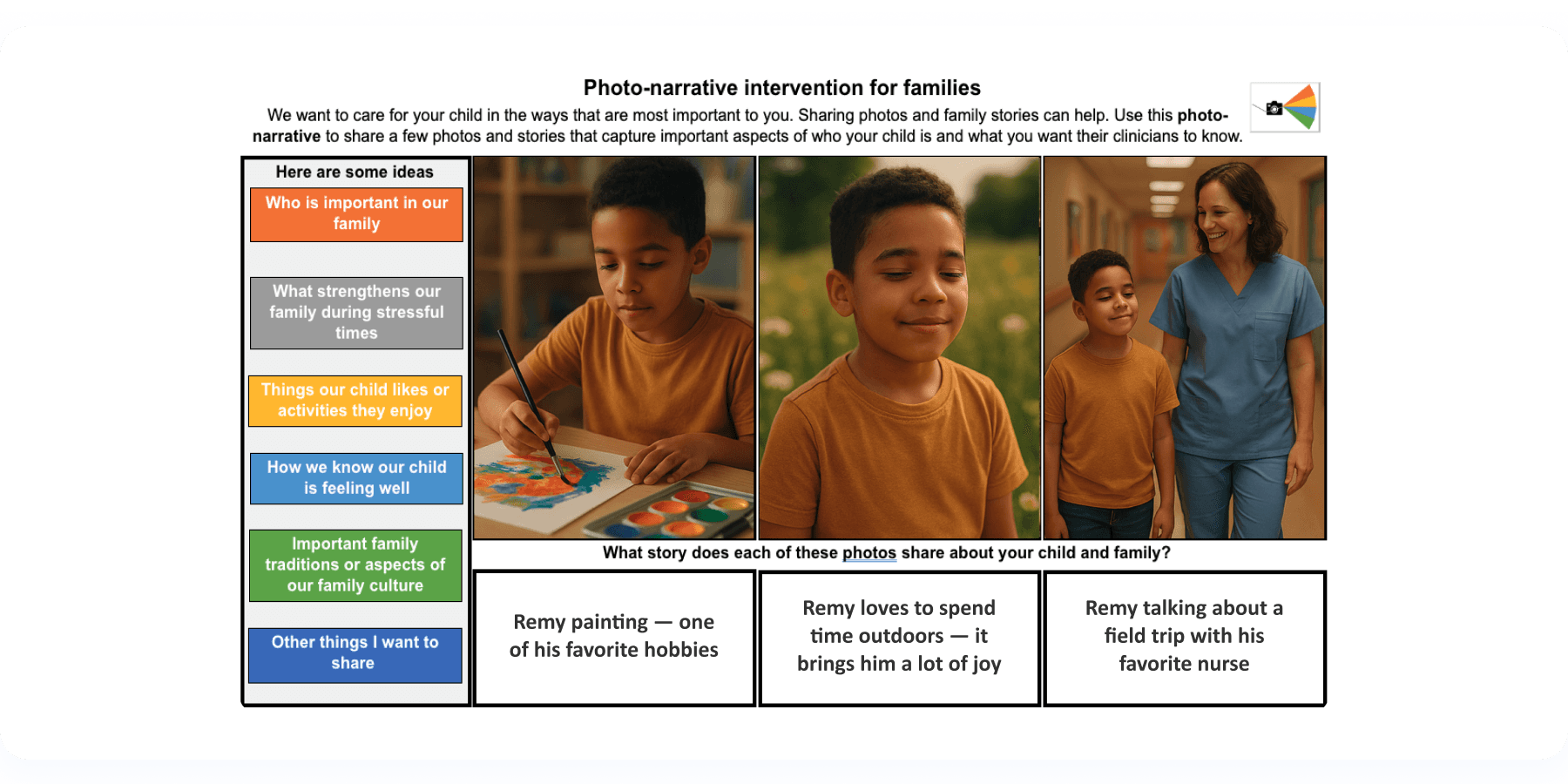
How the photo-narrative intervention existed as a physical PDF document. Example photos are AI generated.
The Problem
The patient-care experience can feel problem-focused, rather than human-focused, especially for children with severe neurological impairments
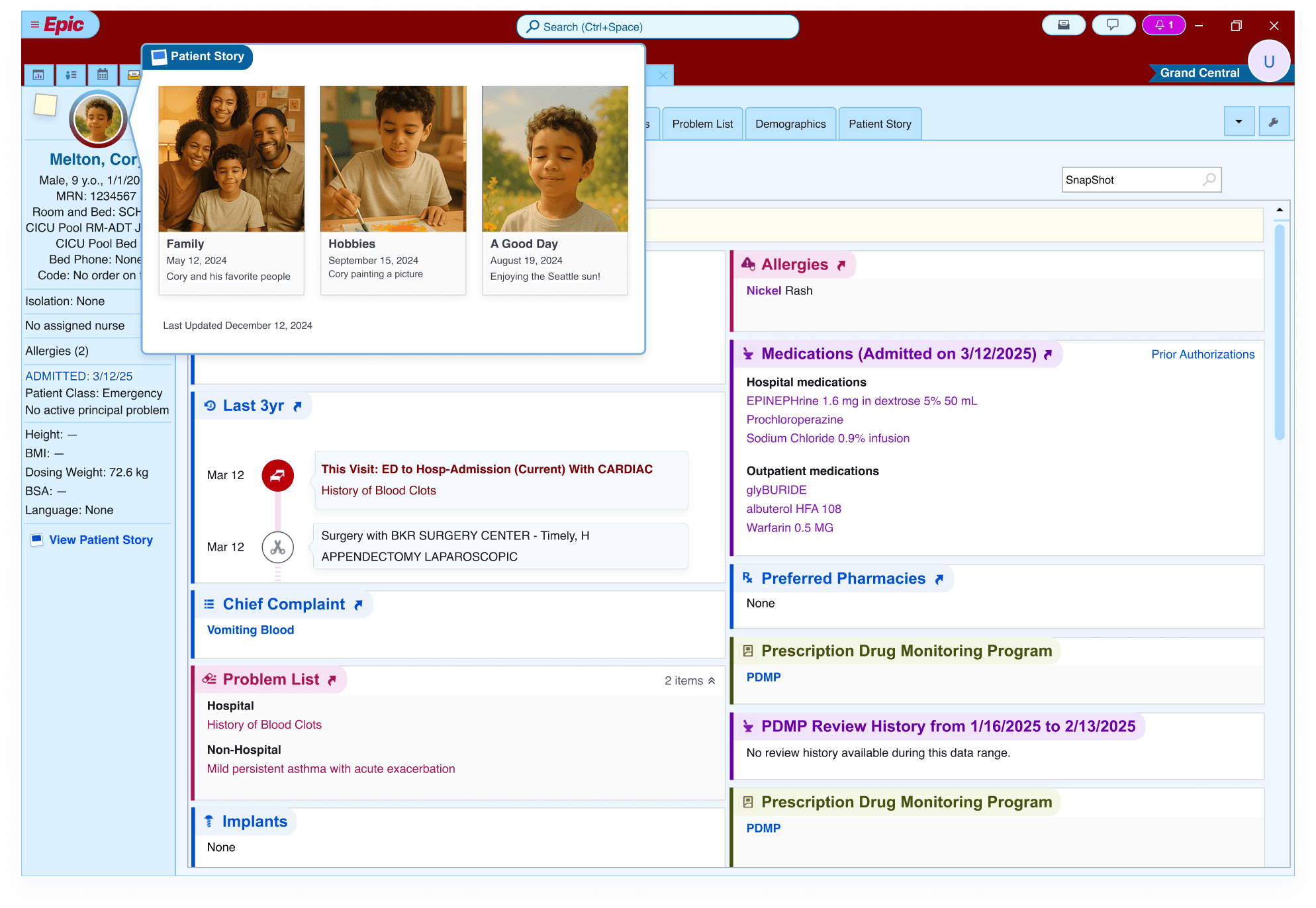
Studies suggest that parents of children with severe neurological impairment (SNI) often feel unheard, leading to a heightened risk of medical ableism due to their children’s chronic medical needs. Also, Epic, in itself, can feel very problem-focused, causing clinicians to not view patients holistically (e.g., who is the child outside of the hospital, what brings them joy, etc.).
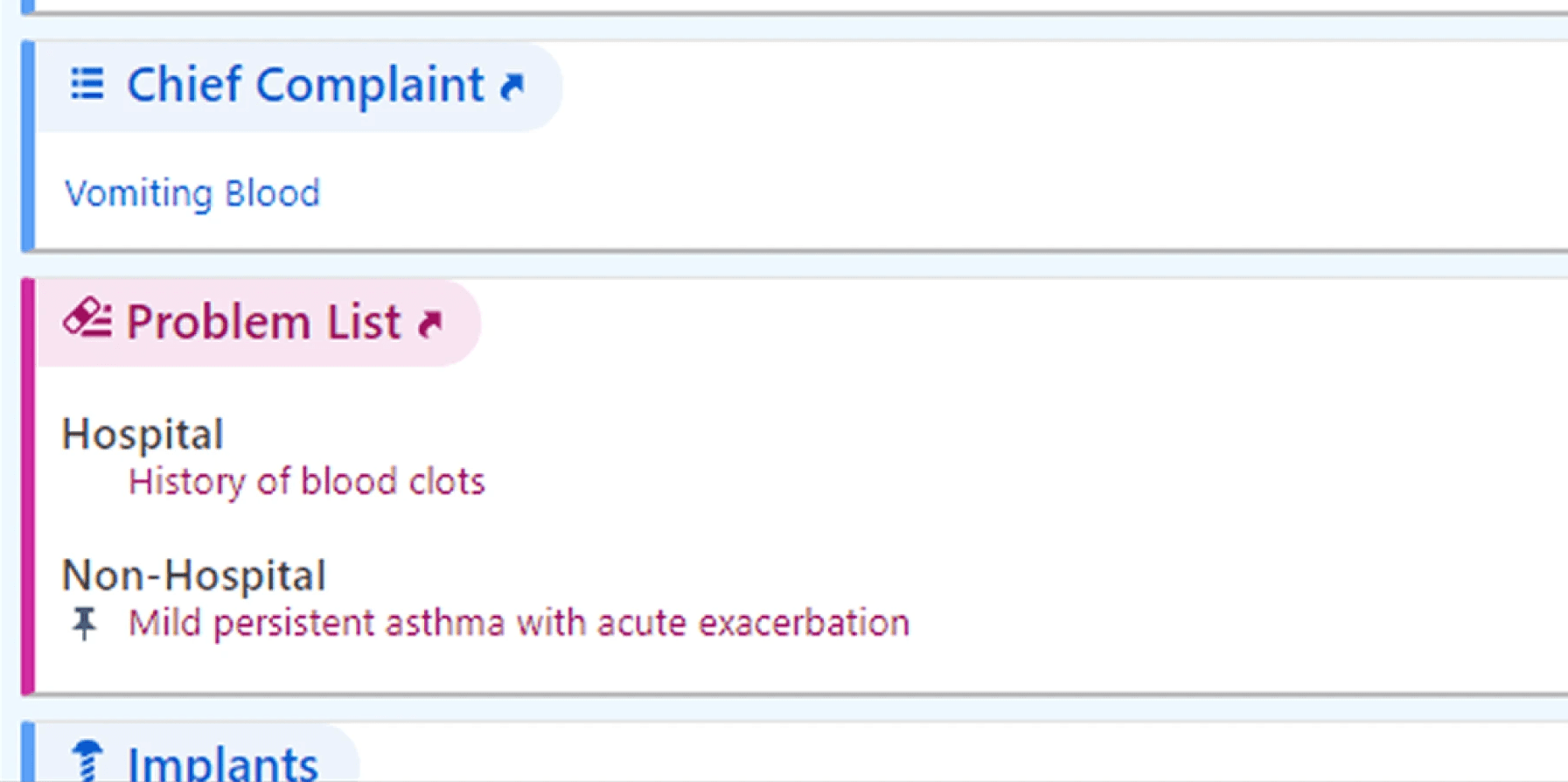
An example Problem List in Epic. They can get quite extensive for patients with severe medical complexities.
The Solution
Photo-narrative integration into Epic with several entry points and emphasis on patients' stories and photos
The photo-narrative tool would be integrated into Epic to seamlessly fit into medical providers’ and administrative staff’s existing workflows while maintaining focus on patients’ personal contexts rather than their medical condition through the use of photos and short blurbs, similar to the original PDF version.
The Impact
Could lead to a more holistic and empathetic approach to pediatric care
Feedback from our project sponsor, SCH stakeholder groups, and patient families affirmed that the photo-narrative tool could positively shape pediatric care by helping clinicians see their patients more holistically. Our work is also on track to be implemented at the hospital within the coming year.

"The use of images, seeing the actual faces of the people, humanizes the patient, you can see them in settings outside of the hospital…"
SCH Attending Physician
"The photo-narrative could help decrease moral distress and burnout among clinicians, since we usually only see them in very sick state…"
Nurse Practitioner
A YouTube video prepared by our team demonstrating the Patient Story tool in context and its potential impact.

Understanding the clinical problem space
Research Methods
Secondary research, on-site visits to SCH with observations of clinical staff, and stakeholder, and user interviews
Conducting research enabled our team to collectively understand the context of the problem space and fill knowledge gaps. I performed 2 on-site observations of front desk staff and a family resource center program coordinator, and reviewed our sponsor’s existing journal articles.

Secondary Research
To review our sponsors existing research articles and raw data about the photo-narrative tool to better comprehend the potential transformative value of the intervention in a healthcare context.

On-site Observations of Clinical and Administrative Staff
To see users' workflow processes firsthand and how they currently build rapport with patients, and inquire about any knowledge gaps.

Stakeholder and User Interviews
To understand what our sponsor hoped to achieve through the project and potential constraints, and gain insight into users' perceptions and expectations of the tool.
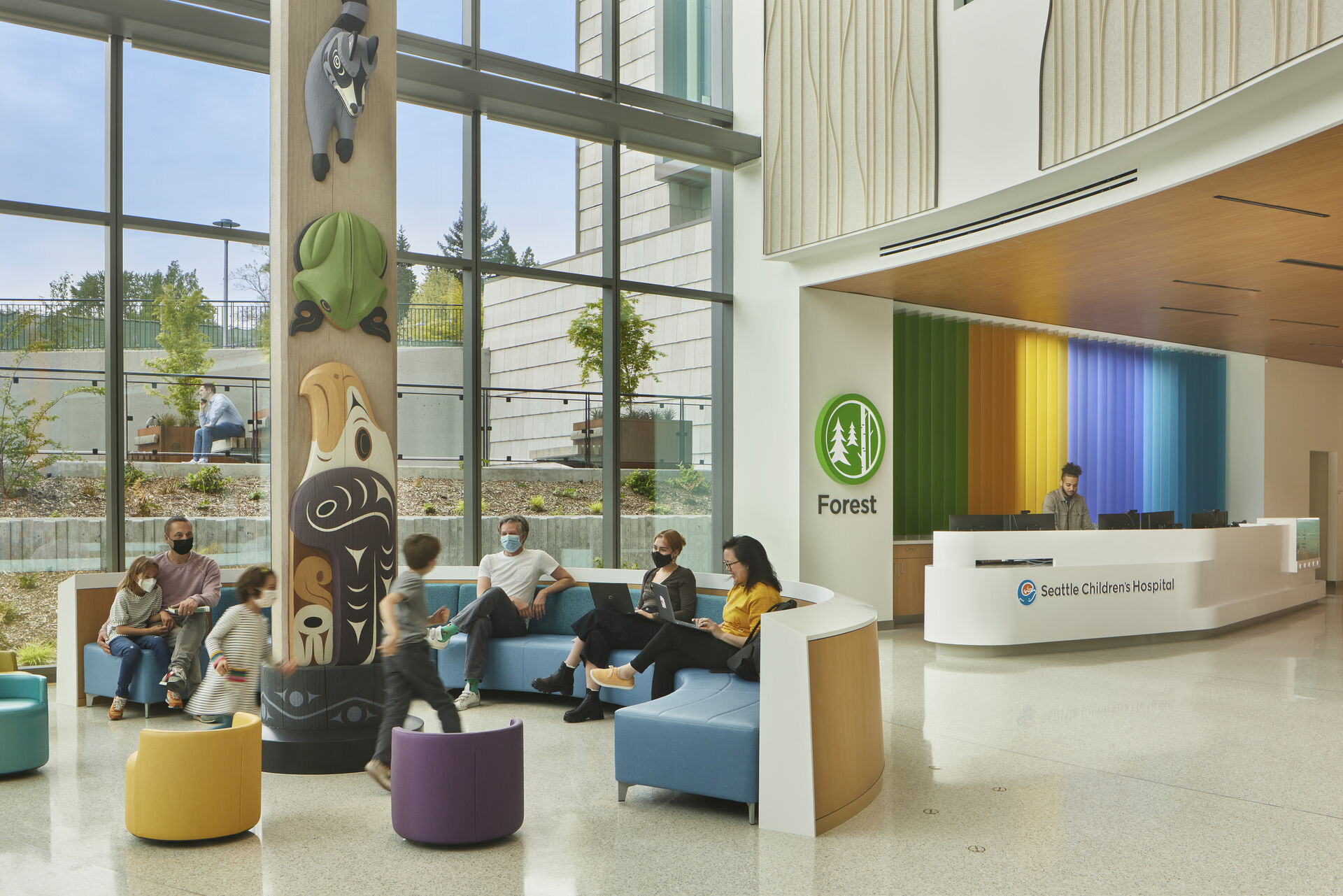
SCH interior (photo credit)

Challenge & Resolution
Due to the breadth and complexity of the healthcare space, it was initially difficult to determine the project scope. To address this. we established weekly meetings with our stakeholders to share progress, receive frequent feedback, and stay on track.

Clinician & Admin Staff Insights
Find the tool valuable for understanding patients, though they have concerns about time constraints, workflow integration, and possible emotional burden from viewing too many photos.
Family Insights
Appreciate the tool for sharing information that is not medically related, but still valuable to their child's care. They want it to be optional for completion and flexible when introduced (e.g., at the time their child is admitted to the hospital).
Technical Insights
Although hospital platforms, such as Epic, offer some flexibility, it will require careful design consideration and one must think about how the tool could evolve over time.
Translating research insights into ideation sketches
Crazy 8s Brainstorming
Rapidly explored various design directions based on our research data
Utilizing our SCH staff, family, and technical insights, we conducted a collaborative Crazy 8s sketching session to quickly generate an array of ideas.
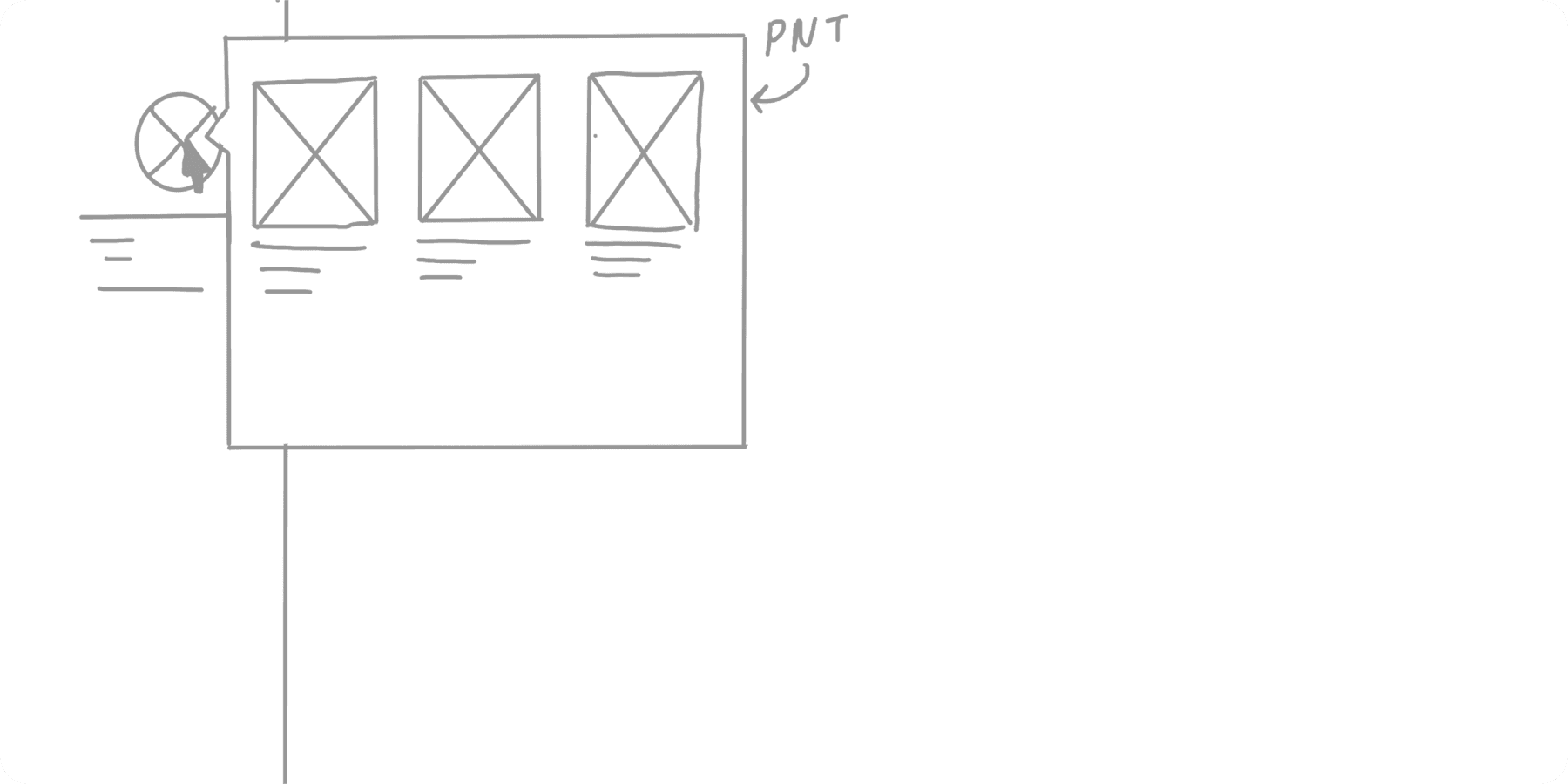
One of my Crazy 8 sketches exploring photo-narrative integration into Epic with a hover interaction
Idea Refinement
Based on our research insights and stakeholder input we determined which concepts to move forward with and pivot away from
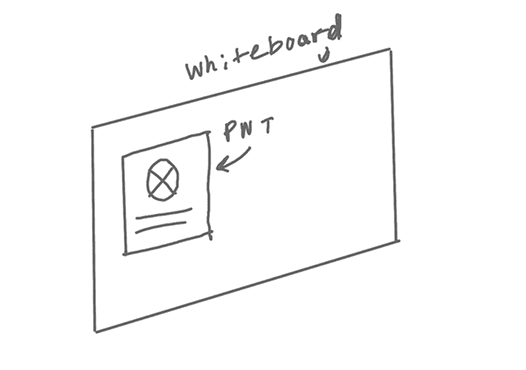
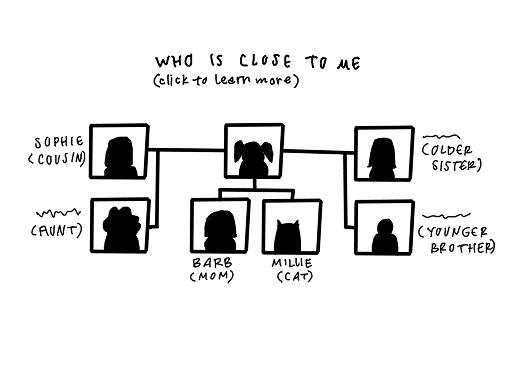
Following crazy 8s, we decided which ideas would be most optimal to pursue per our data and stakeholder feedback and refined them. I came up with concepts exploring tablet and whiteboard integration, and how users would enter the tool. Epic was chosen as the platform of focus since it is commonly used at the hospital, came up frequently during our interviews, and is HIPAA compliant.
Ideas we pivoted away from with rationale

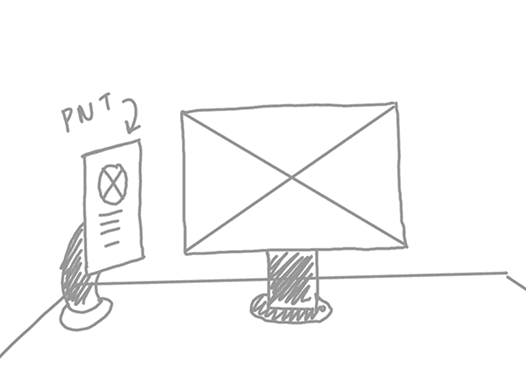
Tablet Integration
Though patient-families are given tablets during check-in, computers are more frequently used by hospital staff.
Pasted to Whiteboard
Physical integration of the tool was deemed out of scope for our particular project team.
Family Relation Web
Although useful, may not provide as much immediate value as patients' stories.
Ideas we moved forward with and rationale

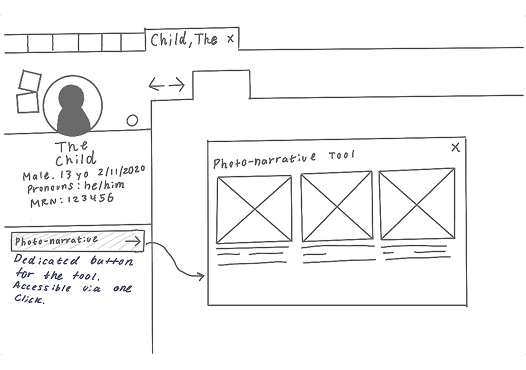

Multiple Entry Points
To give users several ways of easily accessing the tool per their specific professional workflow.
Timeline View
To make it seamless to view patients' personal milestones in a chronological fashion.
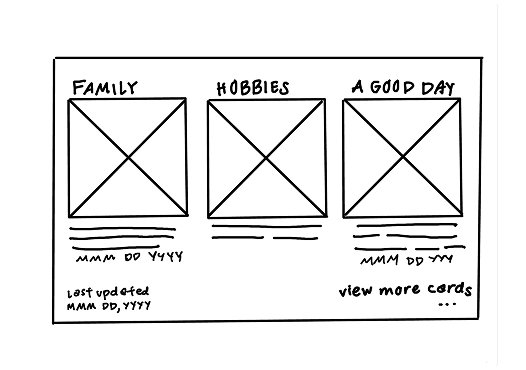
Card View
3 photos mimic the tool's original PDF layout and would make information more scannable.
Developing wireframes based on ideation concepts
Mid-fidelity Wireframes
I created wireframes conveying the initial Epic landing screen and several entry points to access the tool
Using Figma, we created wireframes to elaborate on our ideation sketches. I mocked up an initial screen to be used as a template and several screens displaying potential entry points for the photo narrative.
Challenge & Resolution
We knew that wireframing within Epic’s constraints would be challenging. To familiarize ourselves with the platform, we were given access to a test version to explore its interactions and layout. Fortunately, I had several years of experience using Epic, which the team was also able to leverage.
My entry point explorations
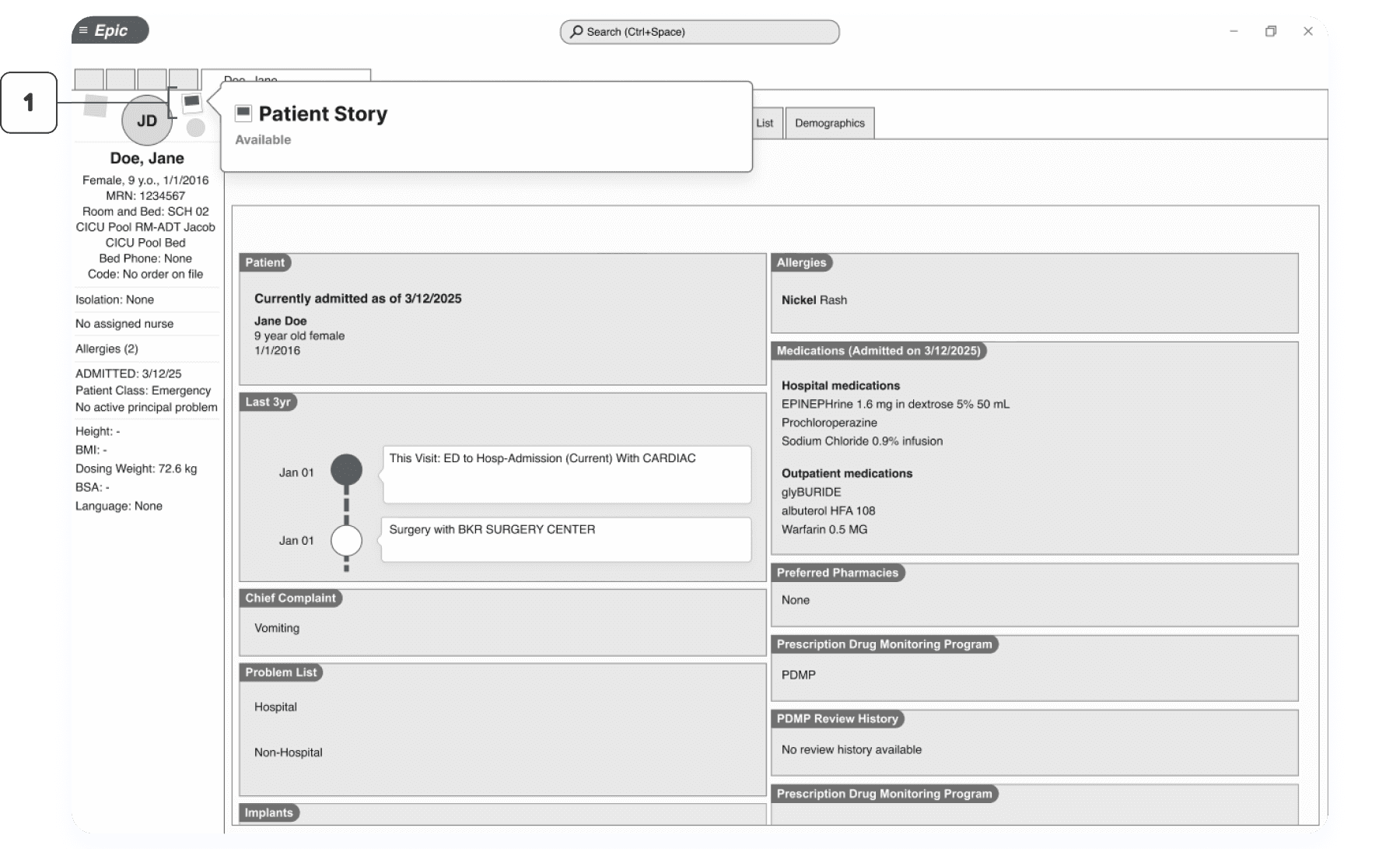
I put forth the idea of a polaroid icon since its a recurring motif for photos. The hover pop-up was based on interactions that are already commonplace within Epic platform.
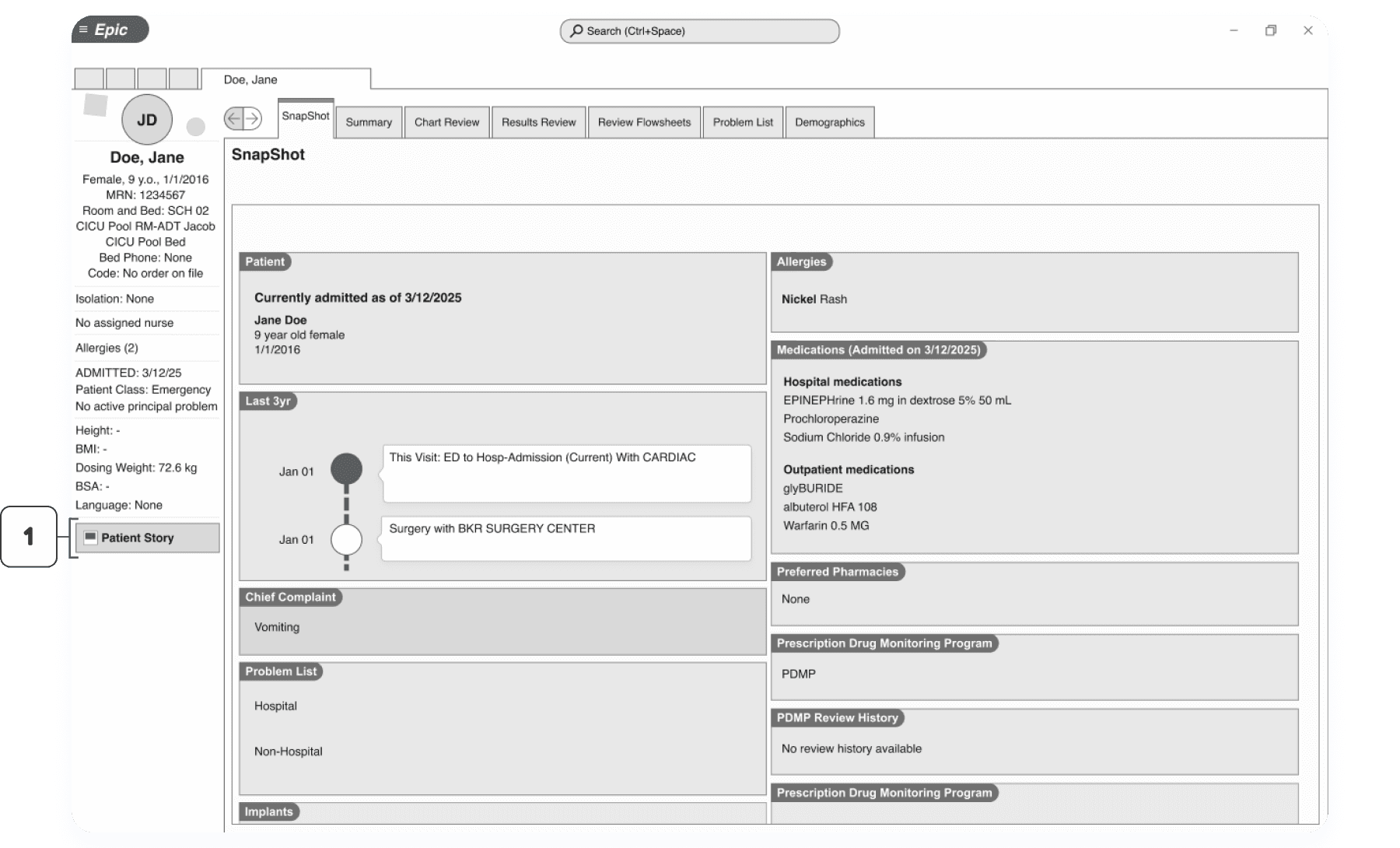
I included this button since the sidebar appears for all Epic users and was brought up numerous times in stakeholder and user interviews as a suggested area for tool integration.
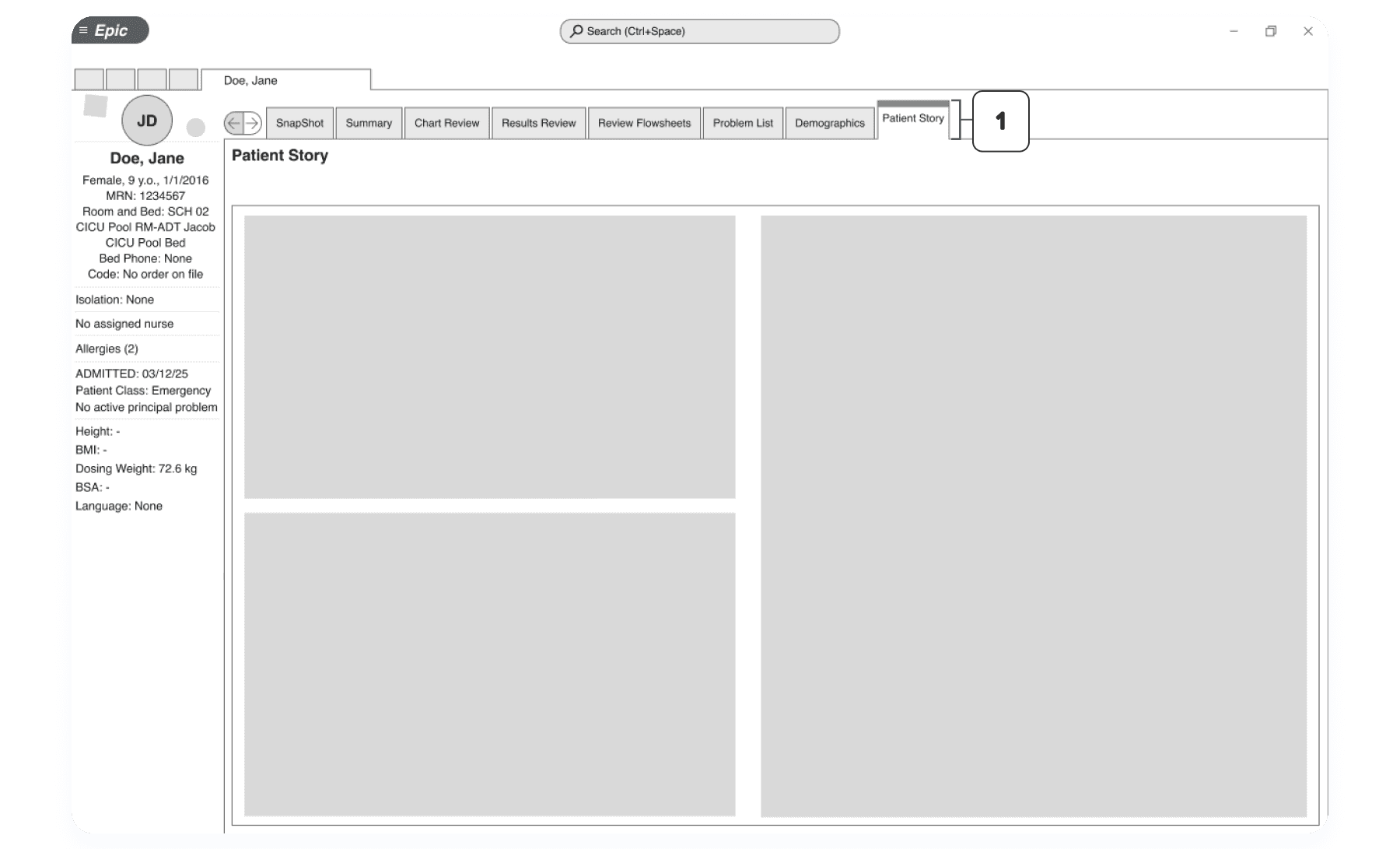
I designed this particular screen since tabs are common within Epic and it would be less likely to conflict with medically important information per technical input from SCH's IT Team.
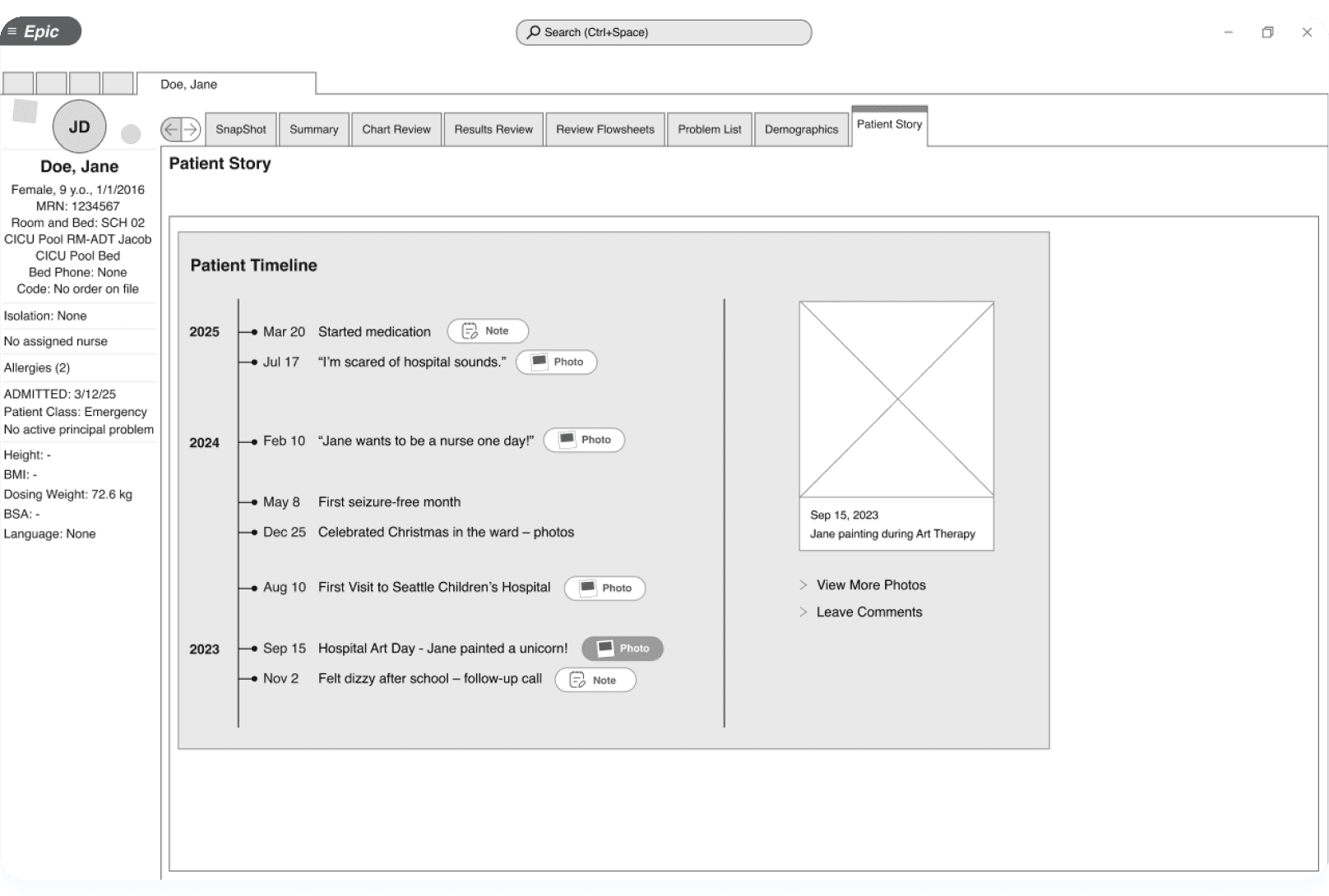
My design peers then used these initial screens to mockup "card" and "timeline" views of the photo-narrative tool that would provide easy scanning and a chronological story of patients' personal journeys, respectively.
Card View
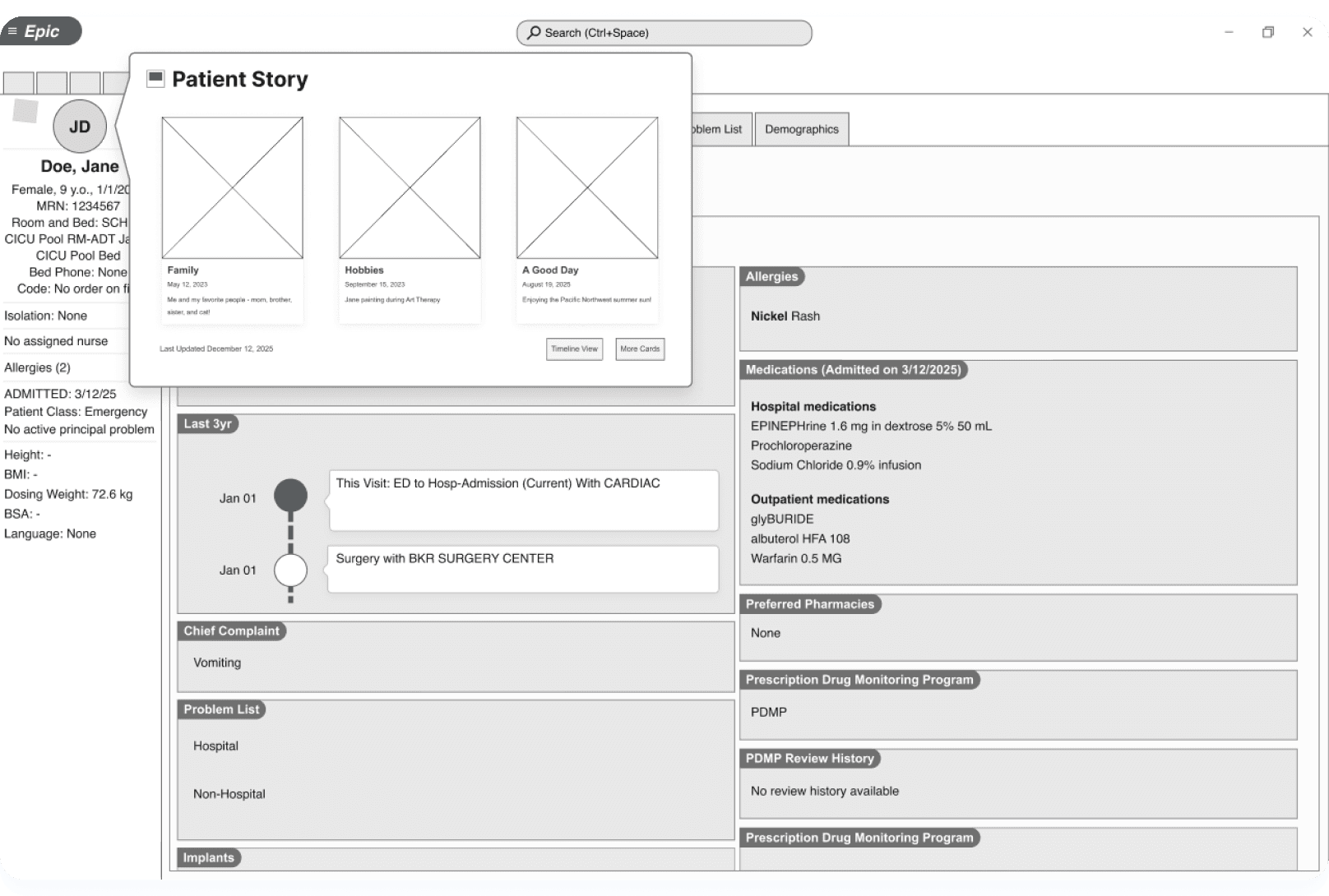
Timeline View
Wireframe Iterations
Following iterative feedback loops with stakeholders, we made changes to the entry points, card, and timeline views
After presenting our mockups to relevant stakeholders (i.e., SCH's broader Palliative Care Team and IT Team), we iterated upon them to ensure alignment between their feedback and our design intent.
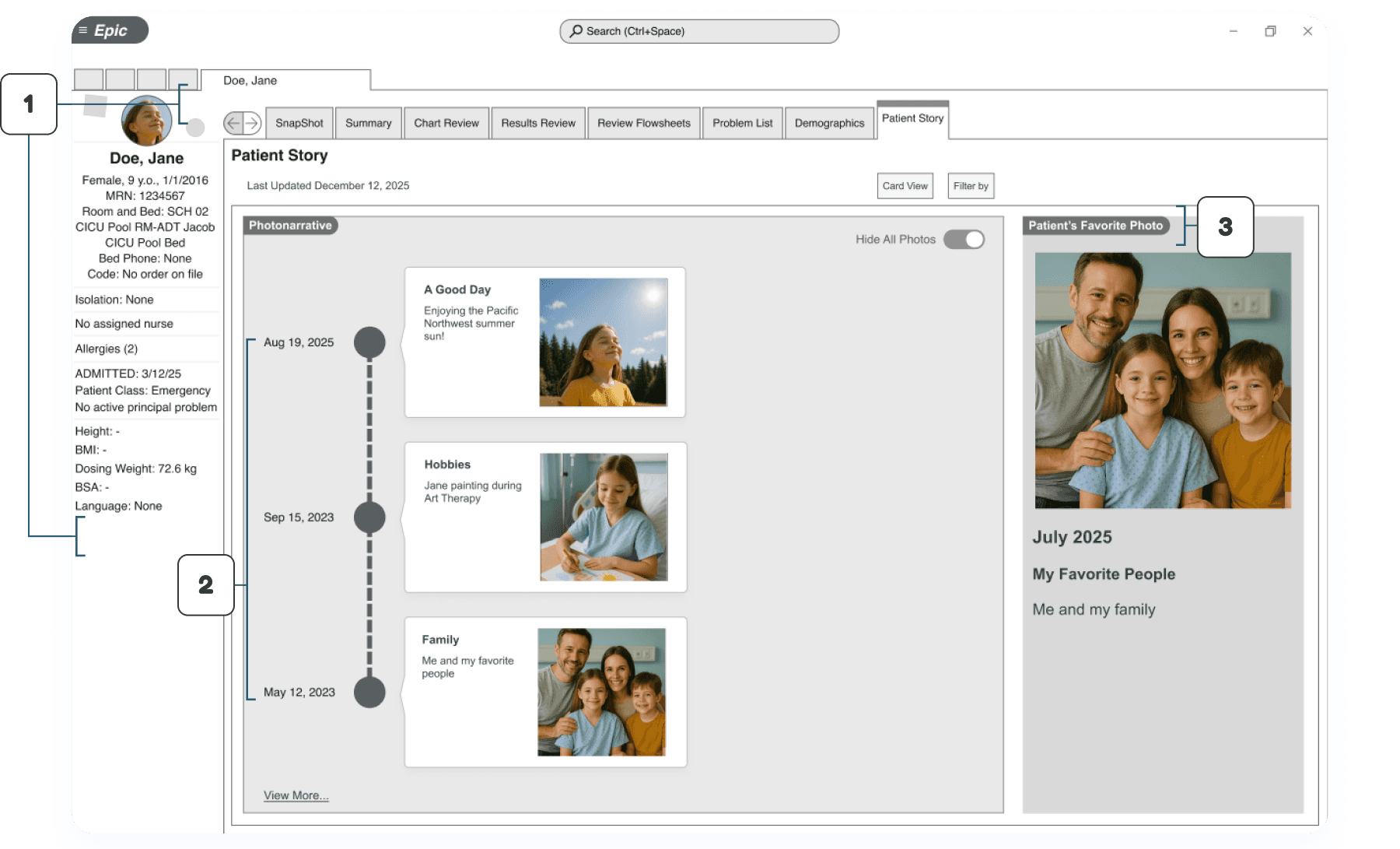
The polaroid icon and hyperlink were removed based on developer feedback to ensure long-term scalability, especially for medical charts that may contain dense information.
The timeline was condensed to improve readability, with medical details (e.g., started meds) removed to emphasize non-medical milestones (e.g., celebrated Christmas) instead.
I proposed the idea of a "favorite photo" to address users' limited time within Epic.
Validating design decisions with clinical users
Usability Testing
Resulted in positive user feedback although several changes were applied to the hierarchy, layout, and to enhance discoverability
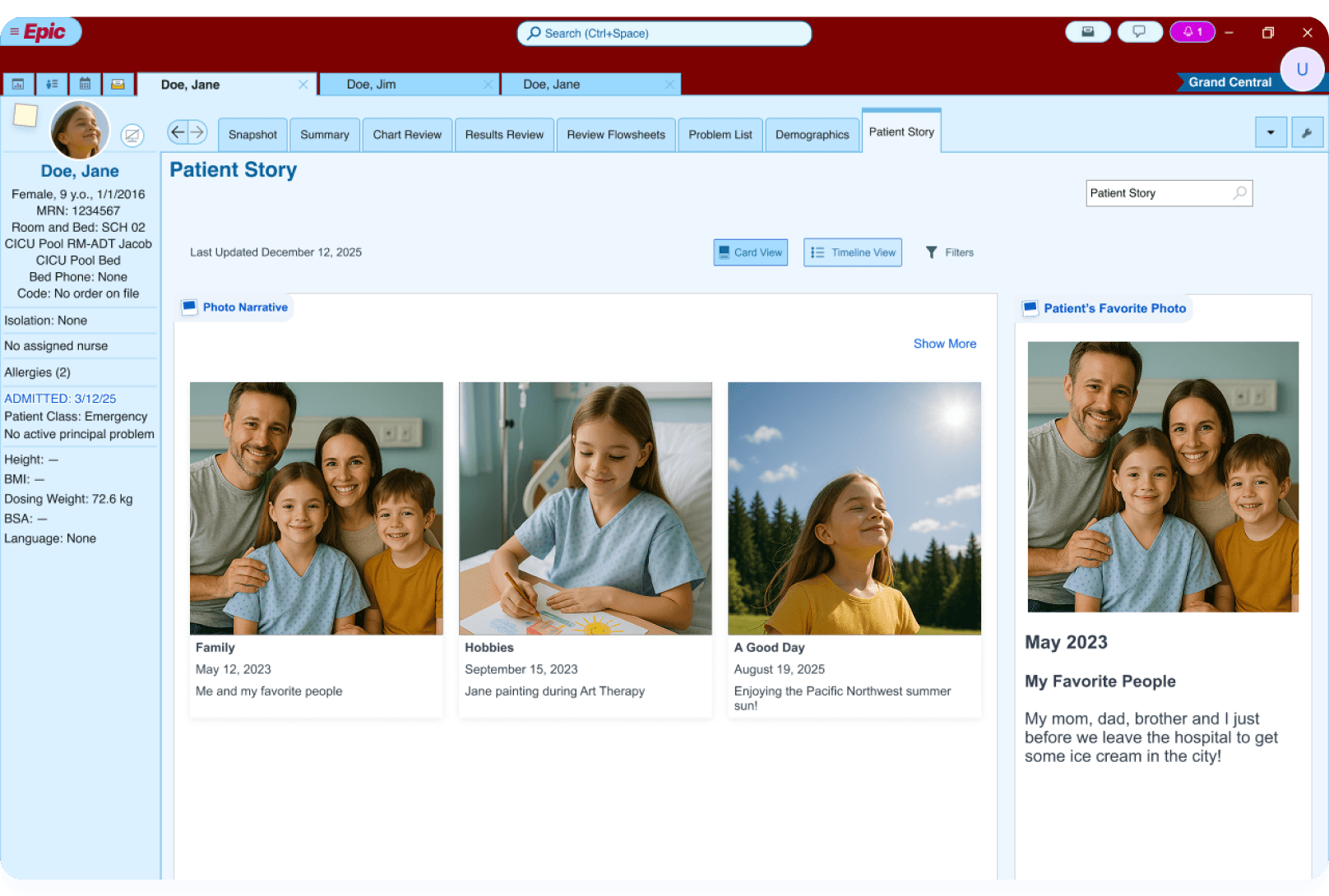
After refining our design based on stakeholder input, we created a higher-fidelity version of the prototype. I was responsible for adding color and incorporating Epic’s existing icons into the initial wireframes I had created to align with Epic’s branding. We then conducted five user testing sessions with potential target users using the Figma prototype. I led one of the sessions and synthesized the insights to inform further design improvements.
Participant Profiles
All 5 participants were SCH medical providers
1 nurse practitioner and 4 attending physicians from various specialties, each with differing levels of comfort interacting with and navigating through Epic.
Version tested
Primary findings and design changes I applied
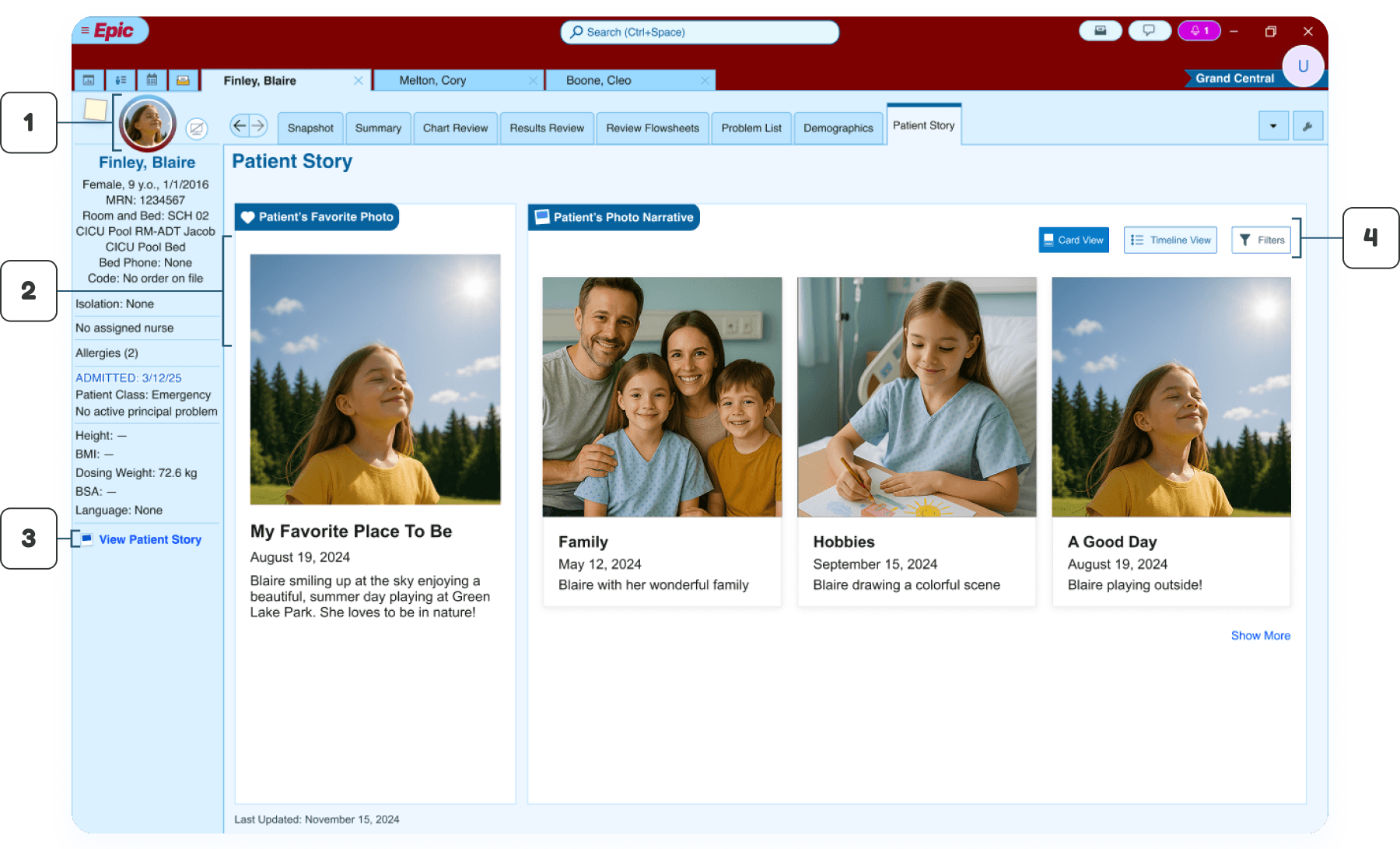
An animated ring was added around the patient’s photo to improve discoverability of the hover interaction, as users had reported not noticing it.
The "favorite photo" was moved to the left side of the UI to give it greater prominence and based on user feedback that their eyes were naturally drawn there first.
The hyperlink was reintegrated based on user feedback to improve discoverability and better align with clinical workflows since users frequently view the sidebar.
Filters were moved into the photo narrative container to improve visual grouping for users.
Reflection
Learnings
Early and continuous collaboration is paramount to ensure there is alignment between UX teams and stakeholders.
Sometimes, a simple extension of something that already exists can provide more value to users, especially in a healthcare context where there is often a resistance to change.
Creating designs that respected Epic's infrastructure taught me how to balance blue-sky thinking with constraints.
Next Steps
We will be presenting the Patient Story tool at a SCH's Treuman Katz Center for Pediatric Bioethics and Palliative Care research seminar for additional feedback.
In the forthcoming months, we will be involved in several stakeholders meetings with SCH administrators to facilitate the implementation of our work.
Continue collaborating closely collaboration with the hospital's IT team to ensure smooth technical integration of the prototype.
More Case Studies!